
In the rapidly evolving digital payment landscape, the iPay9 platform has emerged as a specialized solution for seamless and secure transactions, particularly within the Australian iGaming and online commerce sectors. Accessible via https://ipay9-au.net/, this service integrates a robust mobile application—the ipay9 app—with a web interface to facilitate deposits, withdrawals, and account management. This exhaustive whitepaper serves as a technical manual for users, covering everything from initial setup to complex troubleshooting scenarios, with a focus on maximizing efficiency and security. Whether you’re a novice navigating your first ipay9 login or a power user optimizing transaction flows, this guide provides the depth needed to master the platform.
Before You Start: Essential Checklist
Prior to engaging with iPay9, ensure you meet these prerequisites to avoid common pitfalls:
- Geographic Eligibility: Confirm you are within Australia or a supported region, as iPay9 services may be geo-restricted.
- Device Compatibility: For the ipay9 app, have an iOS (10.0+) or Android (5.0+) smartphone with stable internet connectivity.
- Financial Readiness: Prepare a valid bank account or card from an Australian institution for linking, and verify your identity documents (e.g., driver’s license, passport) for KYC checks.
- Security Setup: Enable two-factor authentication (2FA) on your email and phone, as this will be crucial for secure ipay9 login processes.
- Terms Awareness: Review the platform’s fee structure, transaction limits, and privacy policy on the official site to align expectations.
Step-by-Step Registration and Account Activation
Creating an iPay9 account is straightforward but requires attention to detail to ensure smooth verification:
- Access the Portal: Navigate to the iPay9 website via your browser or download the ipay9 app from official app stores. Avoid third-party sources to prevent malware.
- Initiate Sign-Up: Click the “Register” button and enter your personal details: full name, email address, mobile number, and date of birth. Use accurate information to match ID documents.
- Verification Process: Upload scanned copies of your ID and proof of address (e.g., utility bill). iPay9 typically processes verification within 24-48 hours; delays may require contacting support.
- Set Login Credentials: Create a strong password (12+ characters with symbols) and set up security questions. For the ipay9 app, you’ll use these same credentials for ipay9 login.
- Initial Funding: Once verified, link your bank account by providing BSB and account numbers. Conduct a small test deposit (e.g., AUD 10) to confirm connectivity.
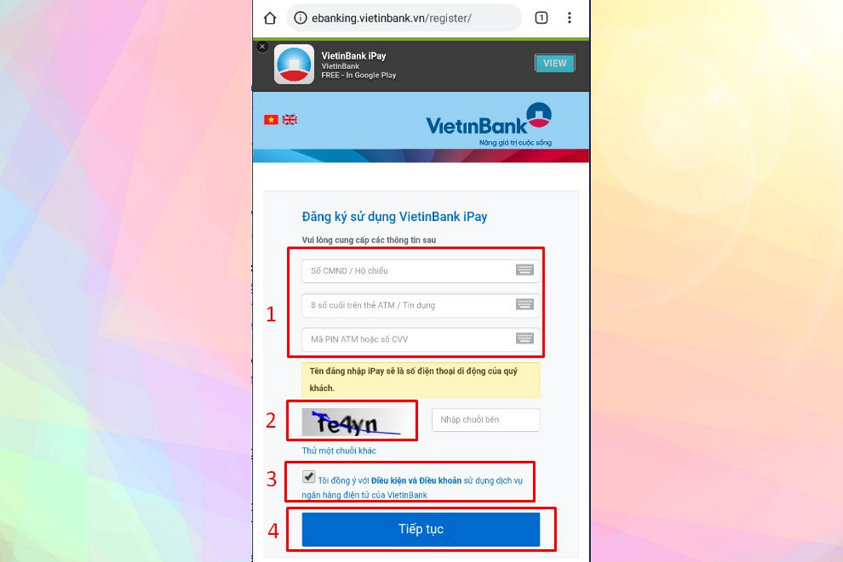
Mastering the iPay9 Mobile Application
The ipay9 app is optimized for on-the-go transactions, but its full potential requires proper configuration:
- Installation: Download from the Apple App Store or Google Play Store. After installation, grant necessary permissions (e.g., notifications for transaction alerts) but restrict access to sensitive data like contacts unless needed.
- Interface Navigation: The home screen displays balance, recent transactions, and quick-action buttons for deposits/withdrawals. Use the menu to access settings, support, and security features.
- Biometric Integration: Enable fingerprint or facial recognition for faster ipay9 login. This reduces reliance on passwords and enhances security against brute-force attacks.
- Offline Mode: While transactions require internet, the app can cache past activities for review offline—useful for auditing expenses.
Financial Strategy and Cost-Benefit Analysis
Understanding the economics of iPay9 involves calculating fees and optimizing transaction timing. Below is a detailed example:
Scenario: You deposit AUD 500 into an online casino via iPay9, with plans to withdraw AUD 800 in winnings. Assume iPay9 charges a 1.5% deposit fee and a flat AUD 5 withdrawal fee, while the casino has a 2% processing fee on withdrawals.
- Deposit Cost: AUD 500 * 1.5% = AUD 7.5 fee. Total deducted from bank: AUD 507.5.
- Withdrawal Cost: Casino fee: AUD 800 * 2% = AUD 16. iPay9 fee: AUD 5. Total fees: AUD 21. Net received: AUD 800 – AUD 21 = AUD 779.
- Effective Cost Rate: Total fees (AUD 7.5 + AUD 21 = AUD 28.5) / Total handled (AUD 500 + AUD 800 = AUD 1300) ≈ 2.19%. This rate helps compare iPay9 to alternatives like credit cards (3-4%) or bank transfers (0.5-1%).
Optimization Tip: Batch transactions during off-peak hours (e.g., weekdays) to avoid network congestion, and monitor for promotional periods with reduced fees—common around holidays.
| Feature | Details | Notes |
|---|---|---|
| Supported Currencies | AUD (primary), USD, EUR | Conversions apply at interbank rates + 0.5% margin |
| Transaction Limits (Daily) | Deposit: AUD 5,000; Withdrawal: AUD 10,000 | Limits increase with account tier verification |
| Fees Structure | Deposits: 1-2% (varies by method); Withdrawals: AUD 5 flat or 1% | No fees for internal transfers between iPay9 users |
| Processing Times | Deposits: Instant; Withdrawals: 2-24 hours | Delays possible during audits or weekends |
| Security Protocols | 256-bit SSL encryption, 2FA mandatory | Complies with AUSTRAC regulations |
| App Compatibility | iOS 10.0+, Android 5.0+ | Requires 50 MB free space; updates every 6 weeks |
Banking Integration and Transaction Management
iPay9 excels in bridging traditional banking with digital wallets, but users must navigate linking and liquidity:
- Account Linking: After ipay9 login, go to ‘Bank Accounts’ and input BSB/account numbers. iPay9 uses tokenization to store details securely, minimizing exposure.
- Deposit Mechanisms: Options include direct bank transfer (1-2 business days), instant card payments (higher fees), and POLi payments (immediate, no card needed). For the ipay9 app, tap ‘Deposit,’ select amount, and confirm via 2FA.
- Withdrawal Protocols: Initiate withdrawals to pre-linked accounts; funds reflect after processing. Large sums (AUD 5,000+) may trigger manual reviews—keep documents handy.
- Liquidity Management: Maintain a buffer balance in iPay9 to avoid frequent bank transfers, reducing cumulative fees. Set auto-withdrawal rules for winnings above a threshold (e.g., AUD 1,000) to automate cashflow.
Security Architecture and Risk Mitigation
iPay9 employs multi-layered security, but user vigilance is paramount:
- Encryption Standards: All data, especially during ipay9 login, uses TLS 1.3 protocols, making intercepts nearly impossible. Verify the padlock icon in browsers.
- Two-Factor Authentication (2FA): Mandatory for logins and transactions; use authenticator apps (e.g., Google Authenticator) over SMS for better security against SIM swaps.
- Fraud Detection: iPay9 monitors for anomalous patterns (e.g., rapid multi-geography logins). If flagged, accounts are temporarily frozen—contact support with ID to restore.
- User Best Practices: Never share ipay9 login credentials; log out from public devices; enable transaction notifications; and regularly review statements for unauthorized activities.
Troubleshooting Common iPay9 Issues
Even robust systems encounter glitches. Here are technical fixes for frequent problems:
- Login Failures: If ipay9 login fails, first check internet connectivity. Reset password via ‘Forgot Password,’ ensuring new passwords avoid dictionary words. Clear app cache (Settings > Storage > Clear Cache) or reinstall the ipay9 app if persistent.
- Transaction Declines: Deposits may decline due to insufficient funds, bank blocks, or exceeded limits. Contact your bank to authorize iPay9 transactions and verify daily limits in Table 1.
- App Crashes: On the ipay9 app, crashes often stem from outdated OS or conflicts with other apps. Update to the latest version, disable battery savers, and ensure 1 GB free RAM.
- Withdrawal Delays: Beyond 24 hours, check spam for verification emails. If delayed, provide transaction IDs to support—escalate via phone if unresolved in 48 hours.
- Geolocation Errors: If blocked outside Australia, use a VPN with AU servers sparingly, as iPay9 may flag this as suspicious. Prefer official travel notifications to support.
Extended FAQ: In-Depth Q&A
This section addresses nuanced queries based on user scenarios:
- Q: How do I recover my iPay9 account if I lose my 2FA device?
A: Immediately contact iPay9 support with your registered email and ID copy. They will disable 2FA temporarily, allowing login via backup codes (if set) or email verification. Re-enable 2FA on a new device promptly. - Q: Can I use the ipay9 app on multiple devices simultaneously?
A: Yes, but for security, iPay9 limits active sessions to three devices. Exceeding this triggers a logout from all devices. Monitor active sessions in settings and log out remotely if needed. - Q: What are the tax implications of using iPay9 for gambling winnings?
A> iPay9 does not withhold taxes; users are responsible for declaring income per Australian law. Keep transaction records—iPay9 provides annual statements for tax filing. - Q: How does iPay9 handle currency conversions for international transactions?
A: Conversions use real-time rates plus a 0.5-1% margin. For example, converting AUD 100 to USD at a rate of 0.70 with 1% margin yields USD 69.30 (100 * 0.70 * 0.99). - Q: Is there a way to automate deposits for recurring subscriptions?
A: Not directly, but you can set calendar reminders for manual deposits. Some merchants integrate iPay9 APIs for auto-billing—check if your service supports this. - Q: What should I do if I suspect unauthorized access to my iPay9 account?
A: First, change your password and revoke all active sessions via settings. Then, report to iPay9 support and your bank to freeze linked accounts. Enable transaction alerts for future monitoring. - Q: Are there any hidden fees when using iPay9 with non-AUD currencies?
A: Yes, beyond the conversion margin, cross-border fees (0.3-0.5%) may apply if the recipient bank is overseas. Always preview fees before confirming transactions. - Q: How reliable is iPay9 during high-traffic events like major sports matches?
A: iPay9 scales infrastructure, but latency can increase. Schedule transactions before peak times (e.g., 30 minutes prior) and have backup payment methods ready. - Q: Can I link multiple bank accounts to a single iPay9 profile?
A> Yes, up to five accounts, but each requires separate verification. Designate one as primary for faster withdrawals. - Q: What happens to my iPay9 balance if the service is discontinued?
A: Per terms, users would be notified 30 days in advance to withdraw funds to linked banks. Balances unclaimed may be escheated to authorities—maintain updated banking details.
Mastering iPay9 involves a blend of technical know-how and strategic financial management. By leveraging this guide, users can navigate the ipay9 app with confidence, from seamless ipay9 login routines to advanced security setups. Remember, continuous learning is key—stay updated via official channels and adapt to evolving features. With its robust framework, iPay9 stands as a reliable conduit for digital transactions, empowering users in Australia’s dynamic online ecosystem.